Summer storms can hit Lancaster County farms and facilities hard, especially when wind, heavy rain, and fallen limbs reach beyond the main house. Barns, detached garages, workshops, and equipment buildings can take on roof damage, water intrusion, and structural strain that is not safe to ignore. Paul Davis Restoration of Lancaster, PA, helps property owners respond to storm damage, protect nearby contents, and understand what restoration may involve.
Our team can help with storm damage restoration support after issues caused by wind, rain, or debris. Read on to learn how it happens, what to look for, and what to do after a storm hits your rural property in Lancaster County.
Why Storm Damage Can Hit Outbuildings Hard
Barns, garages, and equipment buildings often sit in exposed parts of a property. During summer storms, that exposure can turn a small weakness into a bigger problem. A loose panel, lifted shingle, cracked window, or damaged door can let water enter fast.
Agricultural buildings also hold items that can be expensive and difficult to replace. Tools, feed, hay, machinery, seasonal equipment, stored furniture, and business materials may all be inside. Once rain gets in, contents may need to be moved, dried, cleaned, or documented for insurance.
If moisture has been around long enough, these items could also start to develop mold. Those are major reasons that fast, professional storm damage restoration matters after rough weather.
How Wind and Fallen Limbs Create Hidden Problems
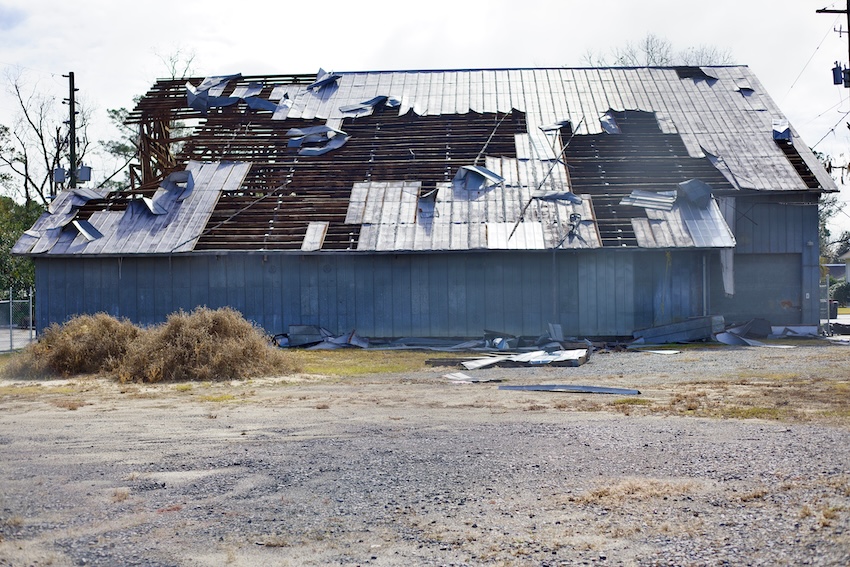
Wind damage is not always limited to what you can see from the driveway. Strong gusts can lift roofing materials, loosen flashing, bend metal panels, damage siding, and shift doors out of alignment on barns, sheds, and other outbuildings.
Fallen limbs add another layer of concern. A branch can puncture roofing, damage gutters, crack skylights, break windows, or press against the side of a garage or barn. A fallen limb can also damage sheds containing important equipment and tools. Even after the limb is removed, the impact area may remain vulnerable. If the building has electrical service, soaked materials and damaged fixtures also need careful evaluation by a commercial storm damage professional.
What Heavy Rain Can Do After Roof Damage
Heavy rain can move through a storm-damaged roof faster than many property owners expect. Water may drip straight down, run along framing, or collect behind wall materials. In a garage, that might mean wet drywall, damaged storage boxes, stained ceilings, or warped trim. In a barn or equipment building, it might mean wet feed, rusting tools, damp wooden framing, or standing water near machinery.
The longer water sits, the more complicated cleanup becomes. Porous materials can absorb moisture, and hidden areas may stay damp after the floor looks dry. Water that enters a garage connected by a breezeway, shared wall, or nearby finished space can also affect interior areas. Professional water damage restoration for farmhouses, barns, and other buildings on rural properties can include extraction, drying, moisture checks, and cleanup steps.
When Mold Becomes a Concern
Mold concerns can develop when moisture sits inside a building after storm damage. Warm summer weather can make damp spaces feel musty quickly, especially in buildings with limited airflow. Barns, garages, and storage buildings may already have dust, cardboard, wood, fabric, and other materials that hold moisture.
Warning signs can include musty odors, discoloration on walls or ceilings, damp insulation, soft wood, stained contents, or moisture that keeps returning after cleanup. Mold may also appear in nearby interior spaces if water traveled from the damaged building or if a connected garage allowed moisture into shared areas. Comprehensive mold damage restoration can help address affected materials instead of just covering up odor or staining.
When to Contact the Pros After a Storm
Some storm damage needs attention right away. If you see a roof opening, sagging ceiling, standing water, soaked contents, broken windows, or a large limb on the structure, do not wait to get help. You should also schedule service if the building smells musty, the roof looks uneven, doors no longer close well, or water stains appear after rain.
It is also worth contacting a restoration professional when you cannot tell how far the damage spread. A garage ceiling stain may come from roof damage several feet away. A damp corner of a barn may connect to failed flashing, clogged drainage, or a damaged roof vent. A trained restoration team can inspect visible damage, check moisture levels, and determine what needs cleanup, drying, repair coordination, or contents handling.
Professional Restoration: Not Just the Building Itself
Storm damage restoration is not only about the building shell. Farm equipment, lawn tools, stored furniture, files, seasonal decorations, and workshop materials can be affected by rain, humidity, and debris. Some items can be cleaned and dried. Others may need to be documented, discarded, or separated from unaffected contents.
A professional team can help create a safer order of response. The building may need temporary protection first, such as covering a roof opening or limiting additional water entry. Then, contents can be assessed, moved, dried, or cleaned as needed. Documentation can also support the insurance process.
How the Restoration Process Usually Starts
The first step is usually an inspection of the affected building and nearby areas. The team looks for visible storm damage, water entry points, wet materials, damaged contents, and safety concerns. Moisture checks may be used to find water that has moved into hidden areas.
From there, the restoration plan may include temporary protection, water removal, drying equipment, debris cleanup, contents handling, odor control, and coordination for repairs. A small roof leak in a detached garage will look different from major damage to an equipment building after a tree strike.
How to Prepare Before Help Arrives
Property owners can take simple, safe steps while waiting for professional help. Avoid entering a building if the roof is unstable, water is near electrical components, or debris is still shifting. Take photos from a safe location when possible. If you can do so safely, move dry items away from wet areas and keep damaged items available for review.
Do not climb onto a damaged roof, pull large limbs off a structure, or run equipment in a wet building. Those situations can create safety hazards and may make damage harder to evaluate later. A restoration professional can help decide what needs urgent protection and what can wait until the building is safe to access.
Get Storm Damage Help for Your Property
Summer storms can damage barns, detached garages, equipment buildings, stored contents, and nearby interior spaces in ways that are not easy to judge from the outside. Wind, rain, roof damage, fallen limbs, moisture, and mold concerns all need a careful response. At Paul Davis Restoration of Lancaster, our restoration team can help assess the damage, protect affected areas, and guide the cleanup process. Our goal is to return your rural property or farm to its pre-disaster state.
Contact us at Paul Davis for storm damage restoration services if your Lancaster County property has faced severe weather.